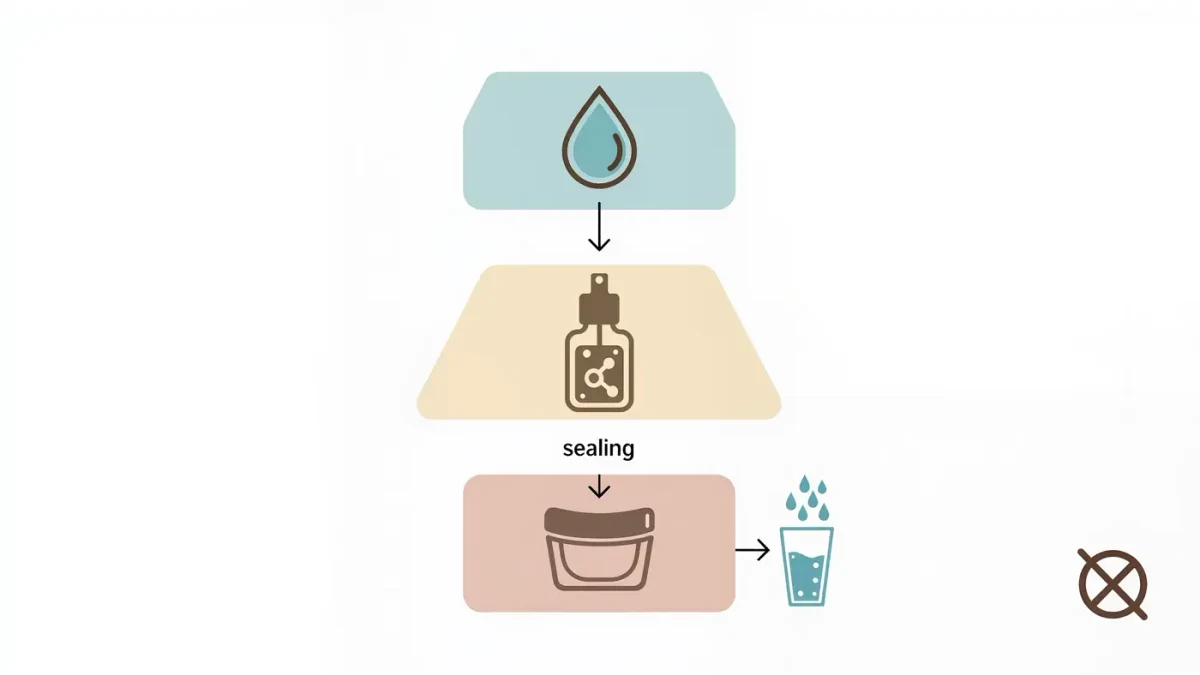

A skincare routine for dry skin is about keeping water from leaving. Dry skin means the barrier loses too much moisture, especially in low humidity and winter air. Dermatologists recommend short, lukewarm showers and a fragrance-free cleanser. Creams or ointments beat lotions, and they go on while skin is still damp. Layering thin to thick, from watery serums to rich balms, helps moisture last through the day, and the order never changes.
This guide explains why skin dries out, builds the routine step by step, and lists the daily habits that quietly steal moisture. It draws on dermatology guidance throughout, and it flags the signs that deserve a dermatologist visit rather than another bottle. The plan fits one shelf, not a cabinet, and two sources anchor every claim.
Why skin runs dry
Skin dries when it loses more water than it holds. Cold outside air, indoor heating, and dry climates pull moisture from the surface, and wind does its share of harm. Heat indoors is a quiet culprit. Age changes the barrier too, and some medical conditions and medicines play a part. Dryness is not contagious, and it is rarely about poor hygiene.
The American Academy of Dermatology notes that frequent moisturizing heals most dry skin within about two weeks. That timeline makes patience part of the treatment plan, because stopping too early restarts the problem. Steady care beats rescue care.
The skincare routine for dry skin, thin layer first
Morning: cleanse quickly with lukewarm water and a gentle, fragrance-free cleanser, or simply rinse with water alone on calmer days. Pat the face dry, leaving slight dampness, and never rub. Apply a cream or ointment within minutes, while skin is still damp. Hot water is the first habit to drop. Sunscreen follows, because dry skin still needs protection from ultraviolet rays.
Night: the same short cleanse, then the layering sequence. A hydrating serum with glycerin or hyaluronic acid goes on first, a cream next, and an ointment on the driest patches last. Ointments and creams hold more moisture than lotions, which is why they anchor the routine. Sealed skin keeps its water longer, and thick last is not negotiable. This connects to our earlier piece, The Nighttime Skincare Routine: Why Order Matters More Than Products.
Layering thin to thick
The rule itself is simple. The thinnest, wateriest product goes on first, and the richest seal goes on last. Thin layers absorb into the surface, while thick layers lock everything underneath in. Waiting a minute between layers keeps each step from pilling into little balls. The order is the whole trick.
A few ingredients are worth knowing by name: glycerin, hyaluronic acid, lanolin, petrolatum, and shea butter. None of them needs to be expensive, and price says little about how well a cream works. What matters is the form, meaning ointment or cream, applied several times a day on spots that feel tight.
Everyday habits that steal moisture
Long, hot showers top the list. Dermatologists suggest five to ten minutes in warm, not hot, water. Harsh soaps, added fragrance, and alcohol-based products strip the barrier next. Rough towel rubbing, wool against bare skin, and dry indoor air also pull water out, so a humidifier earns its floor space in winter. Cotton beats wool next to dry legs, and lips and hands need the same care as the face.
Skipping moisturizer after washing wastes the best moment of the day. Damp skin takes in a cream far better than dry skin does. Gloves for dishwashing and loose cotton layers help the body hold the same line. Repeat after every wash.
Conclusion: comfort that lasts
A skincare routine for dry skin does not need many bottles. It needs short warm showers, fragrance-free cleansing, and cream layered thin to thick on damp skin, repeated through the day. Keep one cream by the sink as a reminder. If two weeks of steady moisturizing brings no relief, or if skin cracks, itches, or burns, a dermatologist visit is the right next step. Underlying conditions such as eczema or psoriasis need medical care, and moisture that lasts is a habit, not a purchase. For related coverage, see The Morning Skin Care Routine, Step by Step: Order and Reasons.