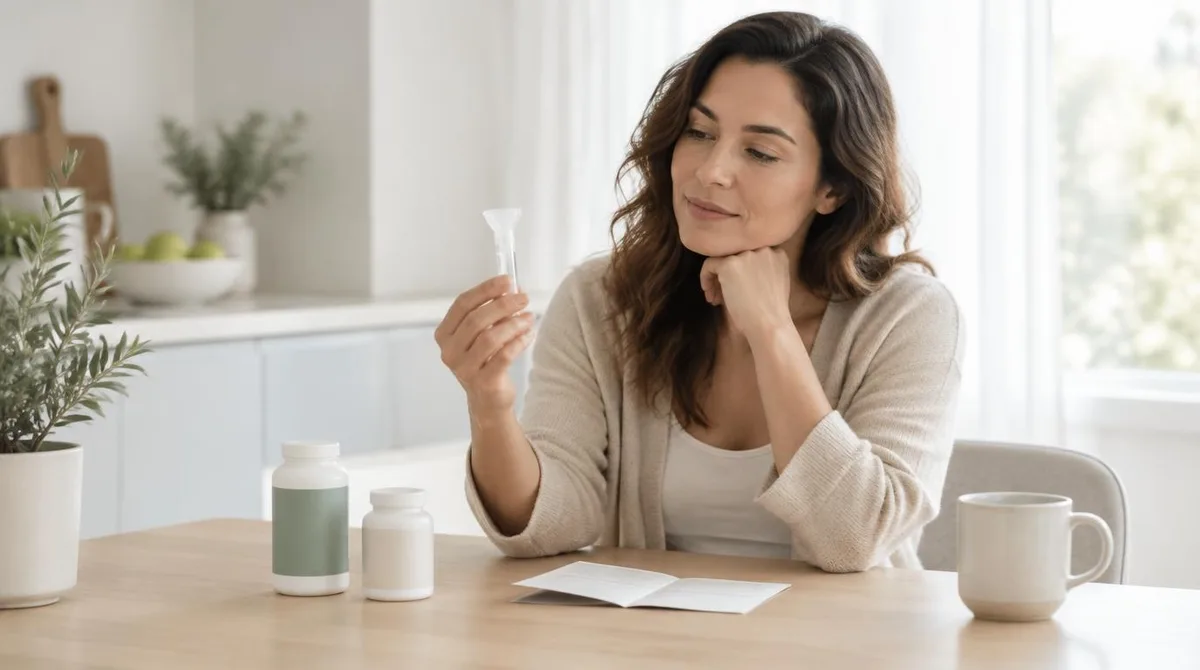
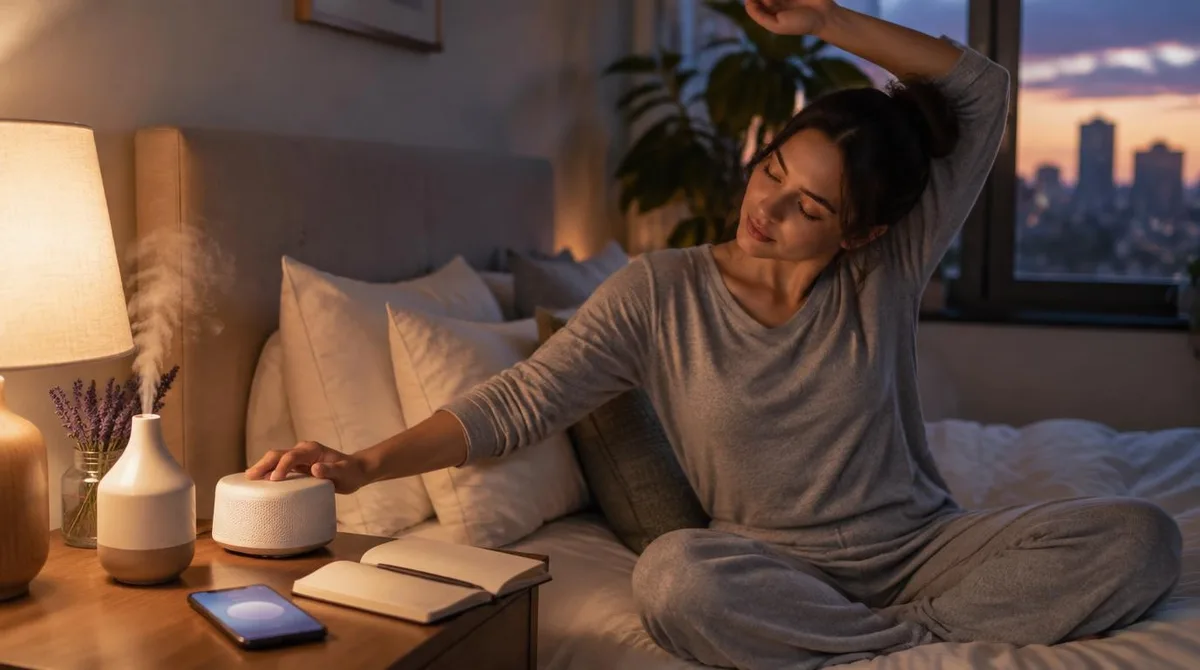
The best stress relief products share one trait: they support a habit the body already understands. Sound machines aid sleep, aromatherapy offers scent rituals, breathing apps coach the nervous system down, and planners tame overloaded schedules. None of them replaces sleep, movement, or a clinician when stress runs high.
This guide sorts the shelf by use case, not by brand. It explains what each category can plausibly do, what to check before buying, and which marketing claims deserve healthy doubt.
Sort by Symptom, Not by Trend
Product hunting goes better with a target. Poor sleep points toward sound and light tools. Racing thoughts point toward breathing and guided audio. Overpacked calendars point toward planning gear. Tense bodies point toward massage tools and warm comforts.
MedlinePlus lists habits with evidence behind them. Regular exercise, relaxation skills, enough sleep, and simply cutting the task list all make the cut. The best products are the ones that make those habits easier to execute.
Naming the symptom first also saves money later. A gift bought for vibes rarely gets used. A tool bought for a named problem usually does.
The Best Stress Relief Products, Category by Category
Sound machines. White noise masks background sound that breaks sleep. Some research connects it with falling asleep faster. The Sleep Foundation notes the overall evidence stays mixed, so a trial run makes sense. Volume discipline matters: keep levels soft, like background talk, and place units across the room.
Aromatherapy diffusers and oils. Scented rituals help some people unwind, and lavender appears often in this research. NCCIH stays cautious, noting little rigorous research on aromatherapy for insomnia. Oils are most often inhaled or applied to skin in diluted form.
Breathing and meditation apps. Guided slow breathing ranks among the better-supported quick calm skills. A 2019 review cited by NCCIH linked slow diaphragmatic breathing with lower stress and cortisol. Apps simply package the coaching.
Planners and journals. Paper systems serve the least glamorous stress fix: cutting commitments. MedlinePlus names task trimming among its coping steps. A weekly layout with a strict cut list beats any scented candle for schedule-driven stress.
Massage tools and warm comforts. Handheld massagers, heat pads, and chunky knit throws serve tense bodies at home. Research on bodywork covers professional massage most strongly. Home tools work best as maintenance between sessions.
What to Check Before Buying Each Type
For sound machines: adjustable volume, a timer, and a return window, since reactions vary widely. For diffusers: automatic shutoff and simple cleaning. For oils: botanical names on the label and clear dilution guidance. For apps: a free trial and no aggressive subscription traps.
For planners: a format matching how its owner thinks, one line per day or an hour grid. Checking return policies counts as fair play. A stress tool should never add money stress to the pile.
Hype Filters: Claims That Deserve Doubt
Any product promising to cure anxiety deserves a hard pass. So do detox claims, instant-results promises, and vague clinical-sounding labels. The best stress relief products modestly support habits; they do not treat disorders. We covered a connected angle in Stress Relief Massage: Which Type Fits Which Tension.
Price is a poor quality signal in this aisle. A basic sound machine, a plain notebook, and one guided-breathing app cover most needs. When a purchase is meant to replace professional help for persistent anxiety or low mood, that is a sign to book a clinician instead.
Gift shoppers can apply the same filter. A calm kit that matches a known sleep problem lands better than a novelty basket. Receipts stay in the box until the month test ends.
Conclusion: Buy One Tool, Test It a Month
Shopping for calm works best in small batches. Pick the category that matches the loudest symptom, buy one item, and use it daily for a month. Keep what earns its place; return what does not. The best stress relief products are simply the ones in regular use. Readers following this should also see Stress Relief Gummies: What Is Inside and What Works.
One small next step: tonight, try ten slow breaths before bed, guided by any free app. The NCCIH relaxation page, linked below, explains the breathing evidence behind that small habit.
Keep a one-line log while testing: the date, the use, and a stress rating from one to ten. Data beats vibes at the one-month mark.