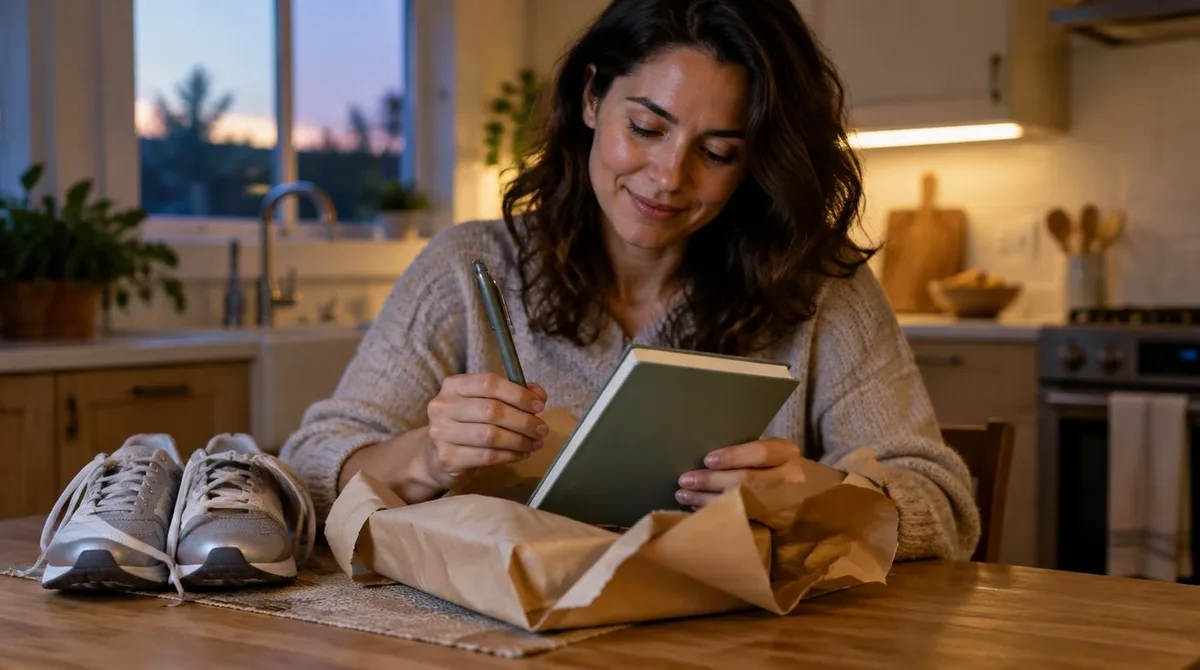
The best stress relief gifts are not the loudest objects on the shelf. They are the simple things that make a proven calming habit easier to start. A soft journal invites a worried mind to write the day down. A pair of comfortable walking shoes nudges a tense body out the door. The CDC points to movement, good sleep, journaling and time outdoors as healthy ways to cope with stress, so gifts that support those habits tend to get used. The trick is matching the gift to the way each recipient actually gets stressed.
One person carries stress in tight shoulders. Another loses sleep to a racing mind. A third simply runs out of fuel by Friday. Each pattern answers to different tools, and a mismatched gift often lands in a drawer. The short guide below turns guesswork into a quick match, sorted by how stress shows up in the body, the mind and the weekly schedule.
How a calming gift actually works
Stress is a full-body alarm. The heart rate climbs, muscles brace and thoughts speed up. Habits like a brisk walk, slow breathing or an earlier bedtime help the whole system settle. A gift earns its place when it removes one small piece of friction from those habits. CDC guidance recommends deep breaths, stretching, meditation, journaling, outdoor time and enough sleep, along with trusted human connection. A well-chosen present works as a gentle push toward one of those habits.
For a body that holds tension
Tension types want gifts that invite movement and warmth. Think a quality yoga mat, a set of resistance bands, a warmable neck wrap or a good pair of trail shoes. The CDC suggests building up to about two and a half hours of movement each week, even in short daily chunks. A present that makes a walk or a stretch more pleasant gives that plan a running start. A heated wrap adds comfort after a long day, and it pairs well with five minutes of slow breathing.
For a mind that will not stop
Worry types need tools that slow the thought loop. A lined journal fits, because keeping a journal sits on the CDC list of healthy coping steps. A guided meditation subscription offers structure, and the National Center for Complementary and Integrative Health notes that slow breathing and progressive muscle relaxation are common relaxation techniques with modest findings behind them, such as small drops in blood pressure. A simple breathing card, with paced steps printed on it, can rest on a desk as a quiet cue to pause.
For someone running on empty
Burnout types deserve gifts that protect rest. A sleep mask, a white noise machine or a sunrise alarm clock supports the seven or more hours of nightly sleep that the CDC recommends for adults. A caffeine-free herbal tea set builds a calming evening ritual, and chamomile in particular has early research on generalized anxiety, according to NCCIH. The goal is a present that says rest matters, not one that adds another task to an already long list.
What to skip in stress relief gifts
Some stress relief gifts promise more than any object can deliver. Pass on products that claim to cure anxiety or treat medical conditions, because none can. Wine baskets can backfire, since the CDC advises limiting alcohol while managing stress. Loud gadgets and complicated devices tend to lose appeal within a week. A simple test works well: does the gift support a habit that experts already recommend? If not, choose something quieter and more useful. We covered a connected angle in Stress Relief Coloring Pages for Adults: Why They Work.
Conclusion: the right gift fits the person
The best stress relief gifts match the person, not the trend. A tense body wants movement and warmth. A busy mind wants a journal or a breathing practice. A worn-out schedule wants better sleep. When the present lines up with one proven habit, it gets used all year, and daily use is what lowers stress. For stress that persists or disrupts daily life, the kindest next step is a gentle suggestion to talk with a clinician. For related coverage, see Ritual Stress Relief: How Repeated Small Acts Steady the Mind.