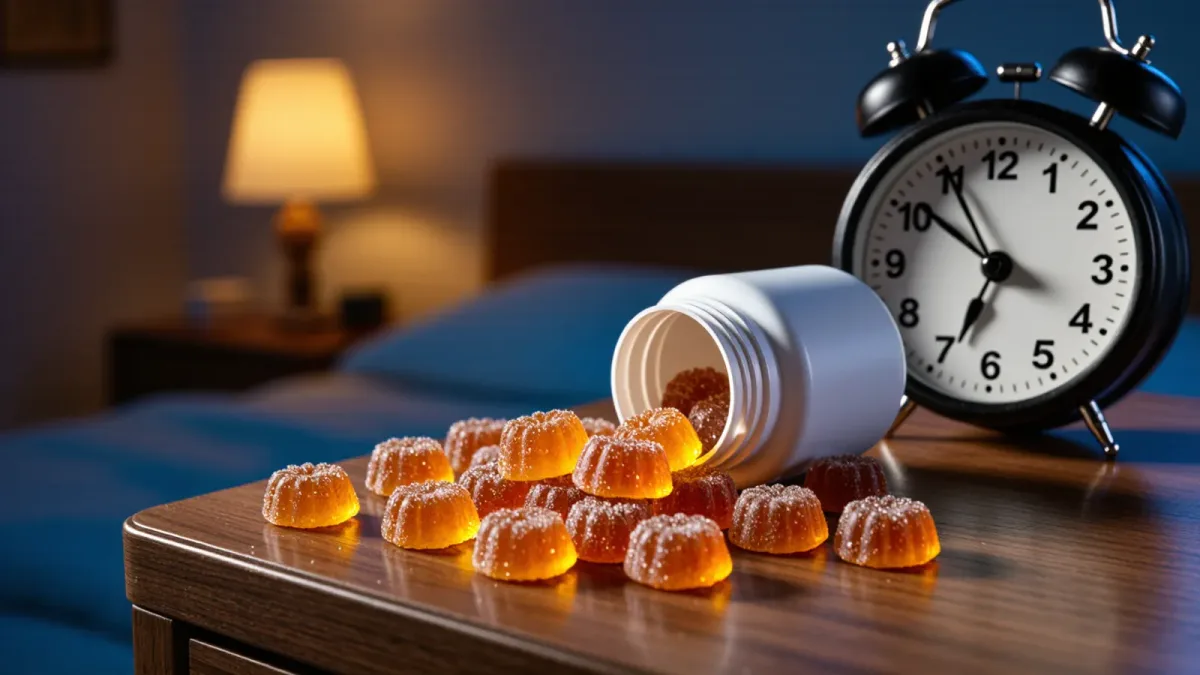

Stress relief gummies are dietary supplements. That label matters. Supplements do not face the same testing as drugs before they reach shelves, MedlinePlus notes. The jar lists familiar names: melatonin, magnesium, L-theanine, and ashwagandha. Some carry modest evidence. Others carry almost none.
This guide reads the label first, then the science. It covers the evidence for each big ingredient, a dose problem tied to gummies, and the talks worth having with a clinician before the first chew.
The Shelf: What Typically Goes Into the Jar
Most formulas lean on a short cast. Melatonin fills the night blends, since it targets sleep timing, not stress itself. Magnesium and L-theanine fill the daytime calm blends. Ashwagandha, a shrub long used in herbal medicine, anchors many stress products. Readers following this should also see Stress Relief Tea: The Blends With Real Evidence and Brewing Tips.
The base matters too. Gummies carry their payload with sugar or sweeteners, and a serving is often two chews. Labels list doses per serving. Strength per chew still varies by brand, which matters when comparing cost or effect.
Serving size shapes the routine more than most shoppers expect. Two chews twice daily is four chews a day, and the sugar adds up across a month. A small jar suits a first test better than a bulk pack.
Stress Relief Gummies and the Ingredient Evidence
Melatonin has real research behind it. The studies focus on sleep timing, such as jet lag, NCCIH reports. The agency does not back it for chronic insomnia, where talk-based therapy comes first. Side effects tend to be mild, like headache or drowsiness.
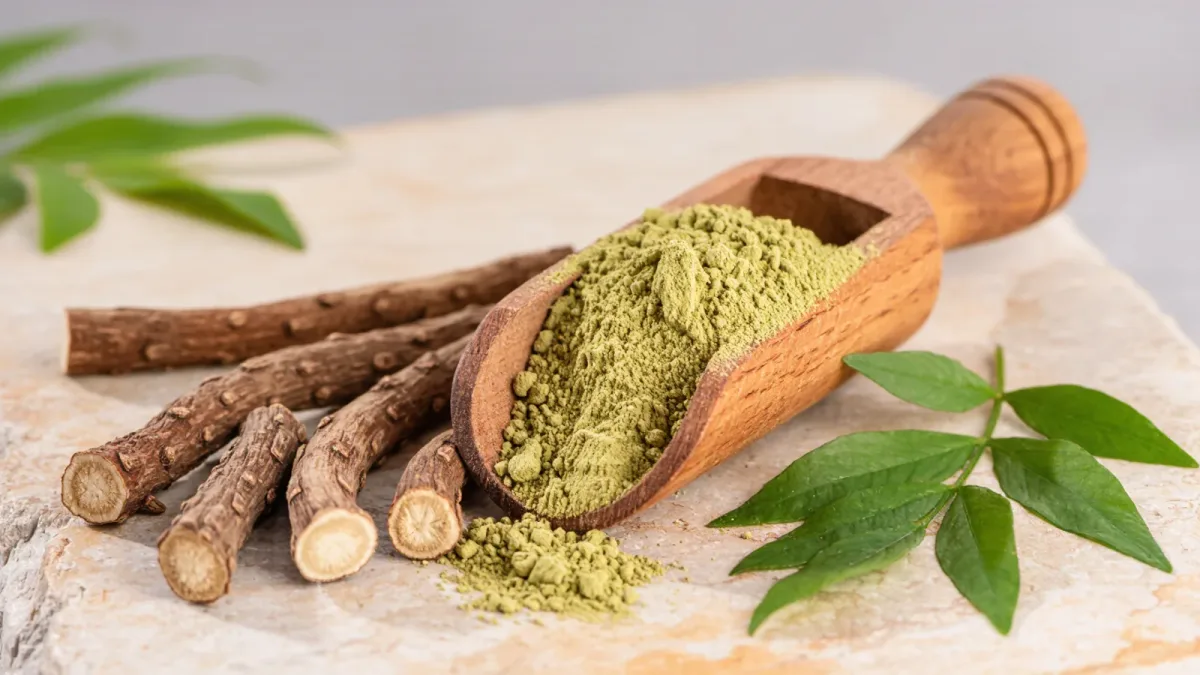
Ashwagandha shows early promise. NCCIH says some products may help with stress and sleep, but studies stay small and varied. Evidence on anxiety remains unclear. Safety has edges: drowsiness, upset stomach, and rare liver injury reports. It also interacts with sedatives, thyroid drugs, blood pressure medicine, and several other classes.
Magnesium and L-theanine carry thinner stress evidence. Shortfalls are rare among people who eat varied diets. Calm claims on labels often run ahead of the data. The honest summary: a gummy is a maybe, not a mechanism.
Labels and Doses: A Measured-Content Problem
Gummies have their own quality problem. In a 2023 study cited by NCCIH, 22 of 25 melatonin gummies were mislabeled. They held anywhere from 74 to 347 percent of the melatonin claimed. One held none at all.
That finding does not doom every jar. It does earn the label some healthy doubt. MedlinePlus advises staying at the label dose, which is weak cover when the dose itself is off. Brands with third-party check marks offer the best workaround shoppers have today.
Interactions: Why a Clinician Conversation Comes First
These ingredients are not inert. Melatonin deserves caution with blood thinners and epilepsy, NCCIH notes. Ashwagandha mixes poorly with several drug classes and should be skipped in pregnancy. Anyone on daily medication, pregnant, nursing, or treating a thyroid condition has a real question for a clinician.
Skills deserve equal billing. NCCIH-cited research tied slow breathing to lower stress and cortisol. Stress relief gummies may add to such habits. They cannot replace sleep, movement, or a medical review when stress runs high month after month.
Conclusion: Skills First, Gummies Second
Stress relief gummies sit in a gray zone: not junk, not medicine. The best-studied ingredients offer modest, spotty benefits. The gummy shape adds dose doubt that tablets avoid. With a clinician in the loop and modest hopes, they can play a small supporting part. We covered a connected angle in The Best Stress Relief Supplements, Judged by Human Evidence Alone.
One small next step: bring the bottle to the next visit and ask two things. Does anything here clash with current medications? Is the main ingredient right for the goal? The MedlinePlus supplement guide, linked below, explains why that talk matters.
A two-week test window works well. Keep sleep, movement, and screen habits steady, add the gummy, and watch what changes. That small home experiment tells more than any label promise.