The best stress relief supplements make a short list. Human proof is the only judge. Ashwagandha leads it. It has support for stress and sleep. Oral lavender oil comes next. Its target is anxiety. Chamomile shows early promise for generalized anxiety. Kava may ease anxiety too. It carries a safety flag, though. That is nearly the whole shelf. NCCIH keeps finding the same pattern. NCCIH is the federal center that reviews this work. The studies run small. The results stay mixed. The cautions run serious. No supplement gets approved as a stress treatment before sale. Each one deserves a quick clinician chat first.
Reading proof differs from reading labels. Human trials decide what works. Ads and quotes do not. A product that helps in one small study may fail in the next. Doses and extracts vary between bottles. The four plants below earned their spots by holding human data. The data covers stress, anxiety, or sleep. Each also carries honest safety notes from federal reviewers.
How this list ranks the best stress relief supplements
Three rules guide the ranking. First, only human studies count. Lab findings rarely transfer to a nightly capsule. Second, the source must be a federal reviewer, like NCCIH. It grades the science rather than sells bottles. Third, safety warnings weigh as much as benefits. A calming product that harms the liver is no bargain. Those filters shrink a crowded shelf to a few names. The same rules built this list.
Ashwagandha: the stress shelf's strongest entry
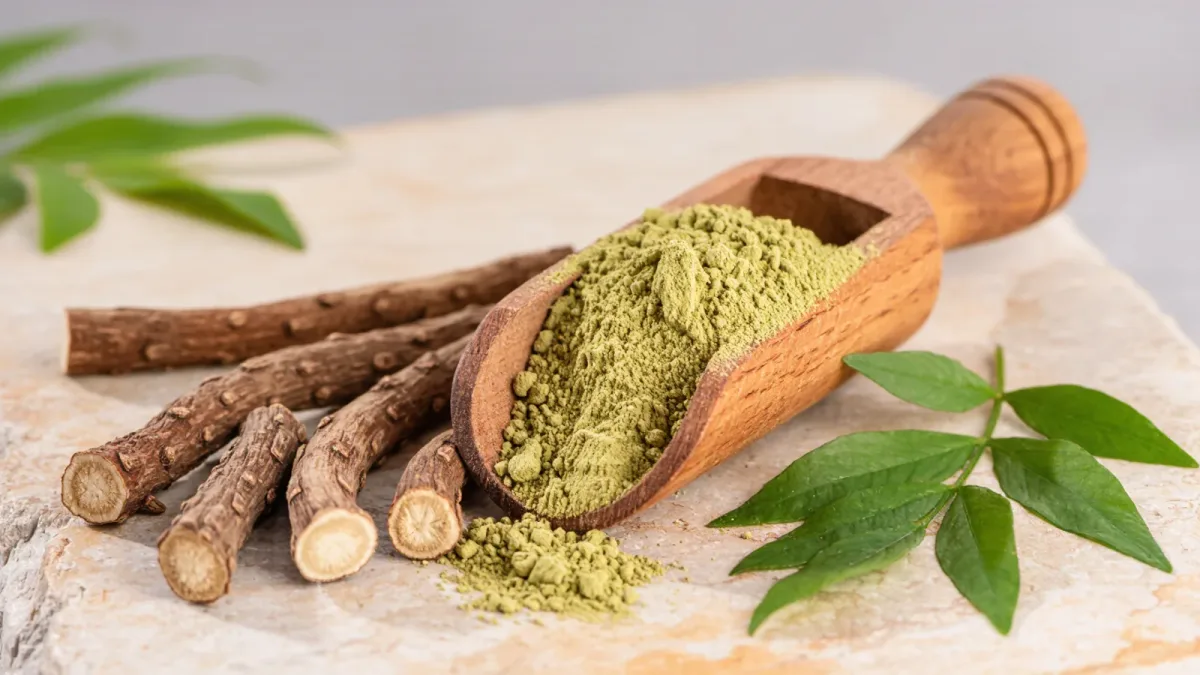
Ashwagandha is a root long used in Indian herbal practice. It holds the best record on this shelf. NCCIH reports that some products may ease insomnia and stress. For anxiety itself, the findings stay unclear. Safety notes matter. Data past three months of use stay thin. Side effects can include stomach upset and drowsiness. Rare liver injury reports exist. Sleep and stress often travel together. A product that touches both is worth notice. Pregnancy, breastfeeding, and thyroid trouble call for a clinician's sign-off. So does planned surgery. Get that sign-off before the first capsule.
Lavender oil and chamomile: gentler, earlier findings
Oral lavender oil might ease anxiety. That includes anxiety mixed with low mood. NCCIH flags the small samples in those studies. It calls for stronger work. The studied form is the oil capsule, not the tea. Chamomile leans on early trials in generalized anxiety disorder. Its insomnia data stay minimal. Both plants are cheap and easy to find. They are well tolerated at food-level amounts. Chamomile carries allergy warnings for ragweed-family plants. It may also mix with blood thinners. Sedatives and hormonal drugs belong on that list too.
Kava: promising but flagged
Kava earns its place because the anxiety data are real. NCCIH says kava products may help anxiety. Several weeks of use may be needed. Kava does not appear to help generalized anxiety disorder in particular. The flag is the liver. Kava has been linked to rare cases of serious liver injury. Some cases were fatal. The plant comes from the Pacific islands. It has a long social history there. Its record shows why labels deserve a close read. Kava never mixes with alcohol or sedatives. People with liver concerns should skip it. A physician may disagree case by case.
Questions to bring to a clinician first
Five questions sharpen any supplement choice. Which current medicines might mix badly with a new plant product? Is pregnancy or breastfeeding part of the picture? Does liver, thyroid, or autoimmune trouble change the menu? How long is safe use for this product? What do the trials show for this exact purpose? Clinicians answer these in minutes. Pharmacists often fill the gaps for free. Bring the bottle to the visit. The label shows the dose. Doses matter. A written list of drugs speeds the visit. Photos of current bottles help too.
Conclusion: evidence first, always
The best stress relief supplements are the ones whose claims match their trials. Ashwagandha leads for stress and sleep. Lavender oil and chamomile carry early anxiety data. Kava pairs real promise with a real warning. None of them replaces sleep, movement, or professional care. A clinician's five-minute review comes first. After that, let the research pick the bottle. Let it, not the marketing, decide. We covered a connected angle in Stress Relief Tea: The Blends With Real Evidence and Brewing Tips.