
Morning routine electrolytes are mostly a fix for a problem nobody has at 7 a.m. Most mornings, the body needs water and food. It does not need a bottle of salts. Sleep, coffee, and a normal breakfast cover the real needs. These drinks earn their place after true losses. Think long, hard exercise. Think heavy sweat in heat. Think the fluid drain of illness. Harvard nutrition experts put it plainly. Electrolyte loss generally shows up only after an hour or more of intense exercise.
Electrolytes are charged minerals. They keep fluids, nerves, and muscles working. The list includes sodium, potassium, magnesium, and calcium. Bodies lose them through sweat and urine. Food and drink refill them. The modern diet already leans hard on one side of that swap. A daily electrolyte habit deserves a close look. It should earn that spot beside the coffee maker first. We covered a connected angle in Stress Relief Tea: The Blends With Real Evidence and Brewing Tips.
What electrolytes actually do
These minerals carry tiny charges. Nerves and muscles use them to fire. They also help fluid sit in the right compartments of the body. Sweat drains them during long, hard efforts. That is the exact job sports drinks were built for. Harvard's Nutrition Source explains the design. Sports drinks refill glucose, fluids, and electrolytes lost in hard exercise. A quiet Tuesday morning never creates that demand. Readers following this should also see The Best Stress Relief Supplements, Judged by Human Evidence Alone.
Who actually needs morning routine electrolytes
A short list qualifies. Endurance athletes training past the hour mark before work lose enough sodium to count. Roofers, runners, and farm crews sweat out minerals all day in summer heat. Illness with vomiting or diarrhea drains sodium and potassium fast. Harvard experts note that low potassium can follow such losses. Most early risers wake a little dry, not mineral-poor. Water plus breakfast repairs that quietly. For everyone else, morning routine electrolytes mostly add cost, salt, and sugar.
The numbers worth knowing
The averages tell the story. American adults take in about 3,300 milligrams of sodium a day. They get only about 2,900 milligrams of potassium. Harvard's Nutrition Source lists both figures. Advised potassium intakes run 2,600 milligrams for women. Men get 3,400. Most people already exceed sodium needs. Most fall short on potassium. That is the reverse of what a salty powder fixes. Food closes the gap. Beans, potatoes, spinach, bananas, and yogurt all carry potassium. The form is cheap and filling.
When plain water wins
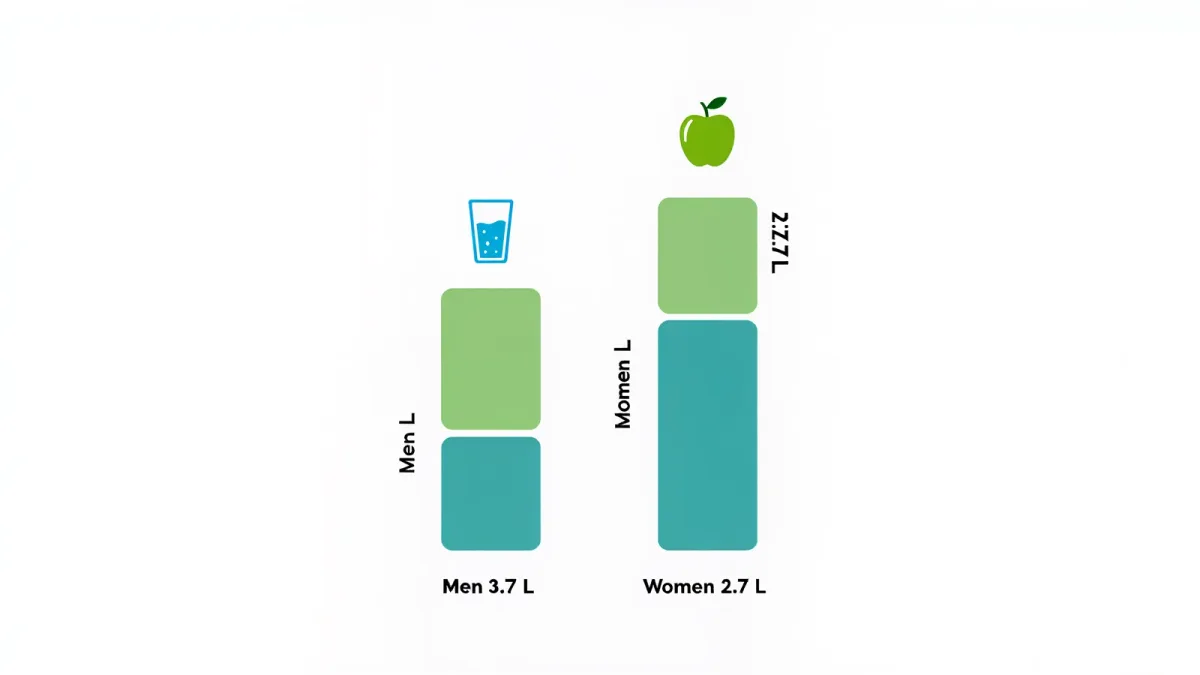
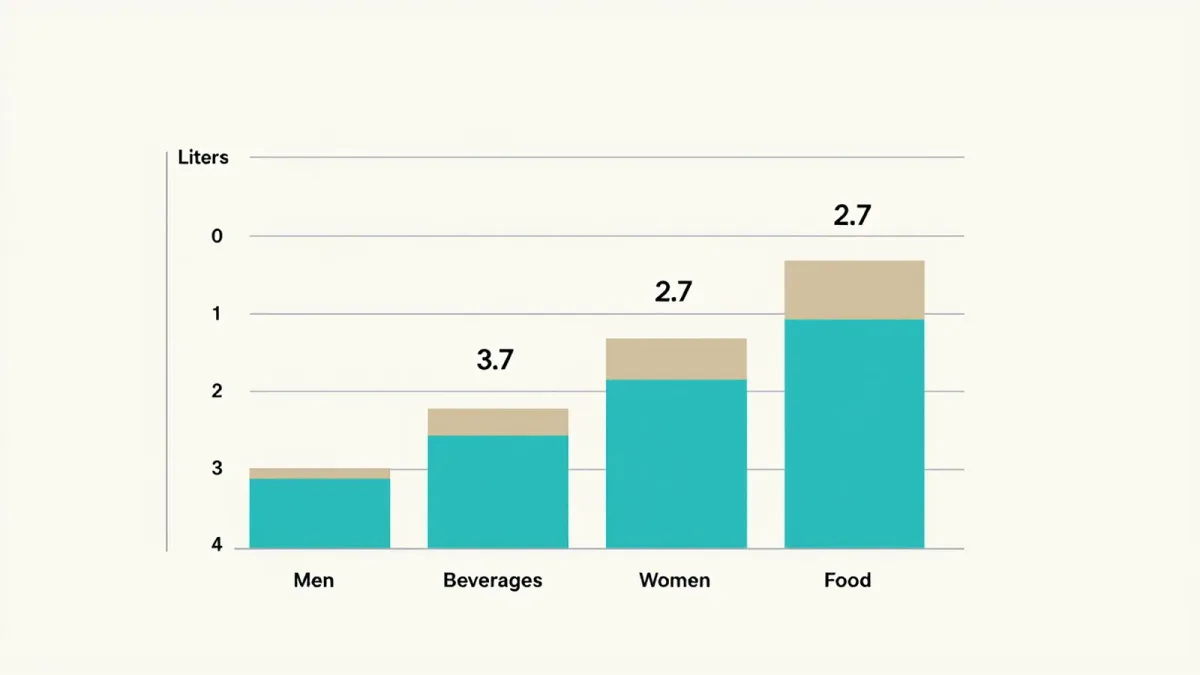
For daily thirst, water wins. The National Academy of Medicine suggests about thirteen cups of total daily fluid for men. Women get nine. About a fifth arrives through food, not drinks. Plain water with meals covers a normal morning with room to spare. A sports drink poured into a still day just adds sugar. A leading brand holds about twenty-one grams per twelve ounces. Outside hard exercise, Harvard's experts call such drinks just another sugary beverage.
Reading the label like a pro
For those who do need a drink, the label tells the truth. Check the serving size first. One bottle may hold two servings. That quietly doubles every number. Compare sugar grams against sodium milligrams. Long sessions want sodium with only modest sugar. Powders allow dose control that bottles do not. Skip products with stimulants bundled in. Caffeine complicates the hydration math.
Conclusion: match the drink to the sweat
Morning routine electrolytes make sense after long, sweaty workouts. The same goes for hard labor in heat. Illness losses count too. They make little sense before them. The average morning runs on water and breakfast. Most adults already carry a sodium surplus and a potassium gap. Match the drink to the actual sweat. That is the honest rule. People with kidney trouble or high blood pressure should ask a clinician. So should anyone on mineral-related medicines.